.svg)
The article below is written by Dronedesk.io, an all-in-one drone operations management platform.
Emergency response teams worldwide are increasingly turning to drone technology to enhance their search and rescue capabilities. These unmanned aerial vehicles have proven to be valuable tools for professional rescue teams, providing critical advantages in time-sensitive operations where lives are at stake.
One of the primary advantages of drones in search and rescue is their ability to quickly survey large areas that would take ground teams hours or even days to cover. This capability is especially valuable in:
Drones equipped with high-resolution cameras can systematically scan search areas, allowing rescue teams to efficiently direct their ground resources to the most promising locations. This aerial perspective significantly increases the chances of locating missing persons in the critical first hours of a search operation.
Modern search and rescue drones come equipped with specialized technology that extends human capabilities:
These capabilities allow rescue professionals to detect signs of missing persons that might be invisible to the naked eye, particularly in challenging conditions like nighttime searches or areas with dense vegetation.
Search and rescue operations often take place in hazardous environments. Drones provide a way to:
By obtaining critical information about dangerous areas before sending in human rescuers, teams can make better decisions about resource allocation and rescue strategies, ultimately improving safety for both victims and rescue personnel.
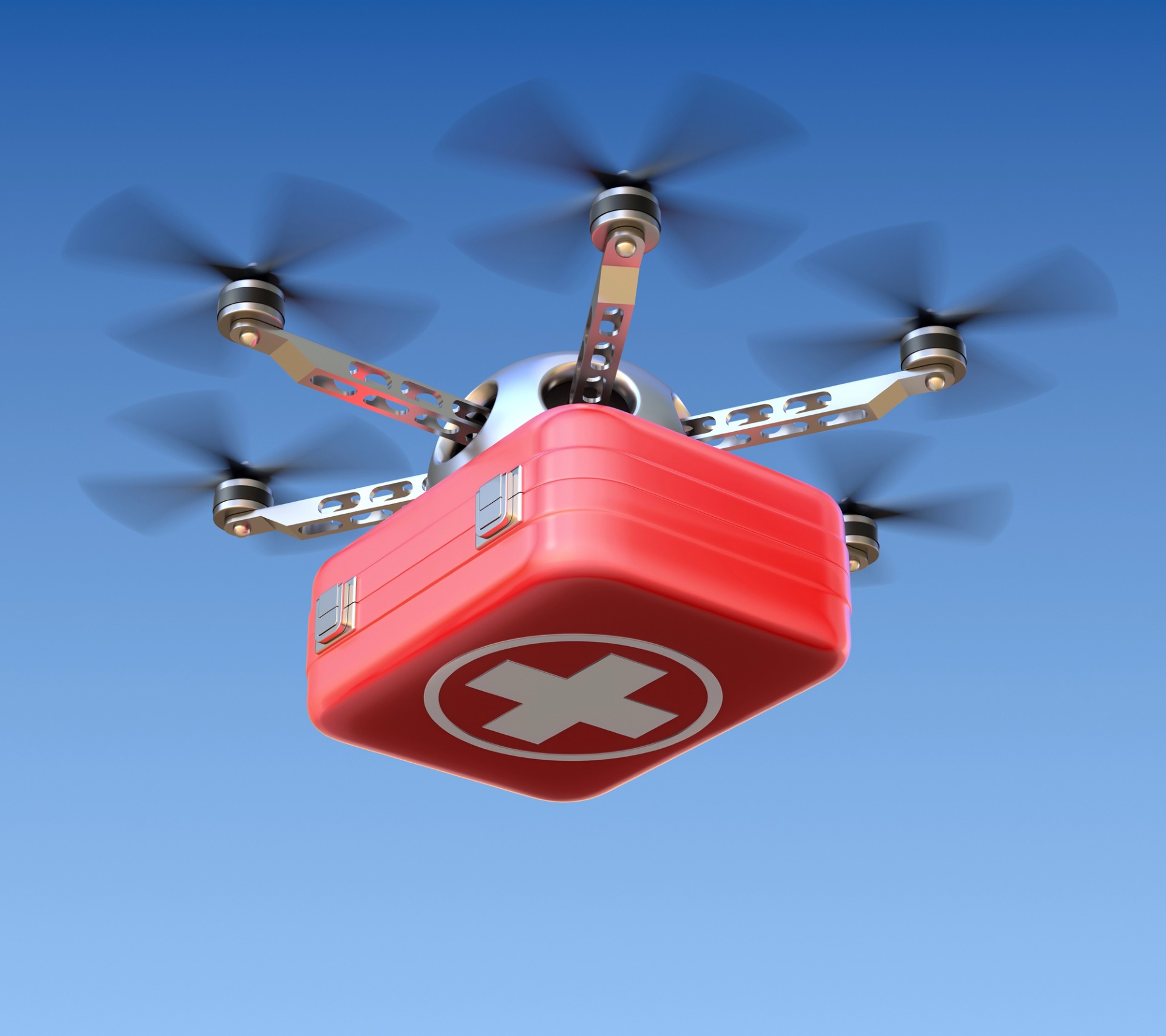
Beyond just locating people in need, drones are increasingly being used to deliver:
This delivery capability can be life-saving when immediate assistance is needed but ground teams face delays in reaching a victim's location.
The aerial data collected by drones provides invaluable information for planning rescue operations:
This enhanced situational awareness allows incident commanders to make more informed decisions about how to deploy their resources effectively.
In the Peak District of the United Kingdom, Buxton Mountain Rescue Team has experienced firsthand the benefits of integrating drone technology into their operations. As a volunteer organization covering 400 square miles and responding to approximately 100 incidents annually, efficiency is crucial to their mission.
Rob Stordy, Drone Lead at Buxton Mountain Rescue, initially approached drone technology with professional caution. After conducting a thorough evaluation, he recognized the significant value drones could bring to their search and rescue efforts, particularly for locating incapacitated individuals who cannot actively seek help.
"The more I researched it, the more I realized it was worth investing in. Not necessarily for the capability drones had two years ago but for the potential capability in the future. To be on that road early," Stordy explains.
For Buxton Mountain Rescue, one of the most significant benefits has been the dramatic reduction in response times. By implementing drone technology alongside efficient operations management software, they've been able to:
"Instead of spending 30 minutes on scene before taking off, now it's more like 10 minutes. That makes a huge difference in an emergency response situation," notes Stordy.
In mountain rescue operations, where conditions can change rapidly and exposure is a serious concern for victims, this time savings directly translates to increased chances of positive outcomes.
The Buxton team has developed an effective strategy of conducting training exercises in areas where incidents frequently occur. This approach creates dual benefits:
When an actual emergency occurs in one of these locations, the team can quickly adapt an existing flight plan rather than creating one from scratch, further reducing response times and increasing operational efficiency.
For emergency response organizations considering the implementation of drone technology, several key factors contribute to successful adoption:
Regulatory compliance is essential for sustainable emergency drone operations. Professional drone management systems help teams:
As Stordy emphasizes, "It provides reassurance that everything is in order. If we'd had an incident and I had to send off the old paperwork, I would have been concerned. You're talking reputational damage, potential liability issues, and all sorts of stuff if your paperwork isn't up to speed."
Search and rescue teams looking to implement or improve their drone programs need specialized tools designed for their unique operational demands. Dronedesk has proven to be an excellent solution for SAR teams seeking to enable fast, compliant, and safe drone deployments. Key features that benefit emergency responders include:
For Buxton Mountain Rescue, implementing Dronedesk alongside their drone program was instrumental in achieving the significant time savings that directly translate to improved rescue outcomes. The software's ability to simplify complex regulatory requirements while reducing administrative burden makes it particularly valuable for volunteer organizations where time is an especially precious resource.
Effective drone operations require:
Investing in comprehensive training ensures that drone capabilities are fully utilized when they're needed most.
For maximum effectiveness, drone operations should be fully integrated with other aspects of search and rescue:
When properly integrated, drones become a seamless extension of the rescue team's capabilities rather than a separate technology.
The efficiency gains from drone technology translate directly to life-saving potential. For a rescue organization responding to 100 incidents annually, saving just 20 minutes per response through drone technology and efficient management systems results in over 33 hours of critical time saved each year.
For volunteer organizations like Buxton Mountain Rescue, where team members balance emergency response duties with regular jobs and family responsibilities, these efficiency gains are particularly valuable. The time saved on administrative tasks can be redirected to training, equipment maintenance, and actually performing rescue operations.
As drone technology continues to evolve, we can expect to see even more advanced applications in search and rescue:
For emergency response organizations across the United States and globally, the question is no longer whether to adopt drone technology, but how quickly and effectively they can integrate it into their operations to save more lives.
Drone technology represents a significant advancement in search and rescue capabilities. By providing rapid aerial assessment, advanced detection abilities, access to dangerous areas, delivery options, and improved coordination, drones are helping professional rescue teams save lives around the world.
The experience of Buxton Mountain Rescue in the UK demonstrates the real-world impact of this technology: faster response times, better resource allocation, and enhanced operational capabilities. For search and rescue professionals focused on finding and helping those in need, drones have become an essential tool that expands what's possible when lives are on the line.
This blog post draws insights from the experience of Buxton Mountain Rescue Team in the United Kingdom and their implementation of drone technology in mountain search and rescue operations. All quotes are from Rob Stordy, Drone Lead at Buxton Mountain Rescue.
